Wood Duck Invades Vuture Nest – Ghost Babies Fight Back

The turkey vulture nest gets visitors from time to time. An occasional nuthatch or raccoon as seen in Night Visitor pass through. This week, wood ducks have been landing on and peering into the cavity of the turkey vulture nest.

Much to my surprise, a brave hen decided to leap inside.
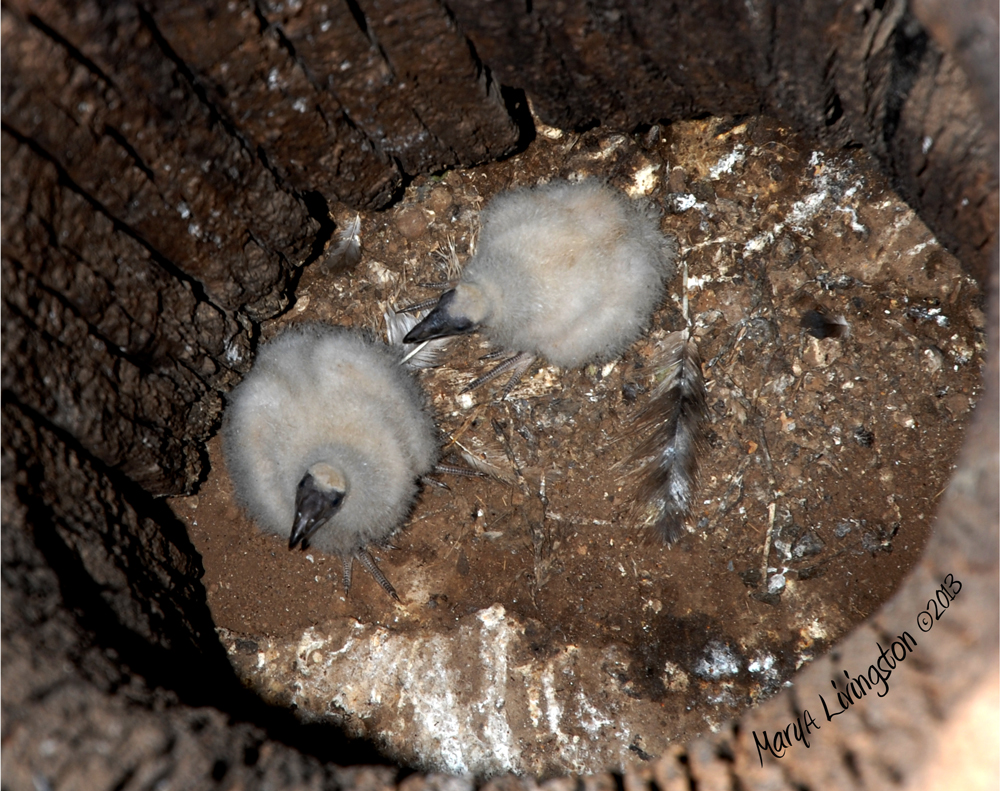
We lowered a GoPro to get a duck’s eye view of the chicks. My friend Rhythm calls them “ghost babies.”

Having all of this in my backyard is pure bliss. 🙂

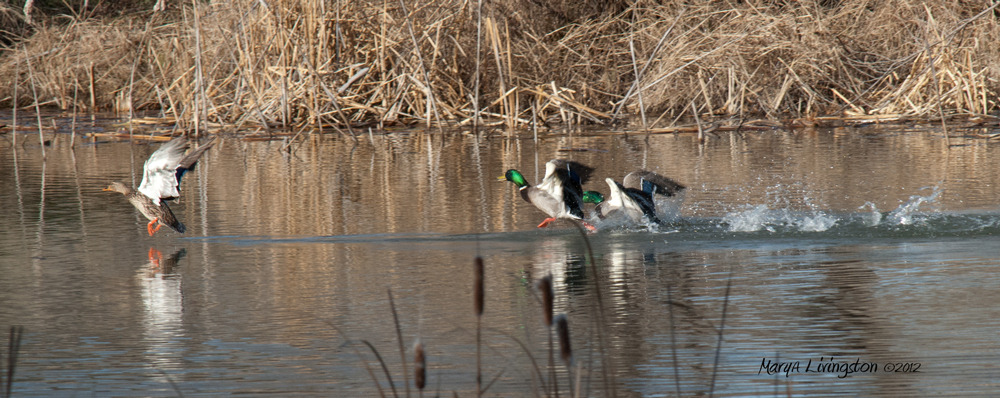
Wood Duck Flock

– In the spring wood ducks flock to the pond. They often feed in the grasses and on sprouting acorns under the oaks. © Maryᴀ Livingston

Wood Duck Drake

– A beautiful view from my office desk of a wood duck drake. © MaryA Livingston
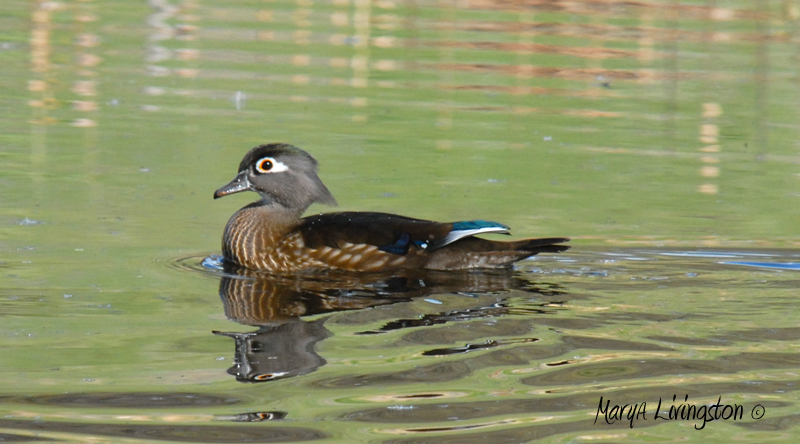
Wood Duck Hen

– A wood duck hen on the pond in my backyard.© Maryᴀ Livingston

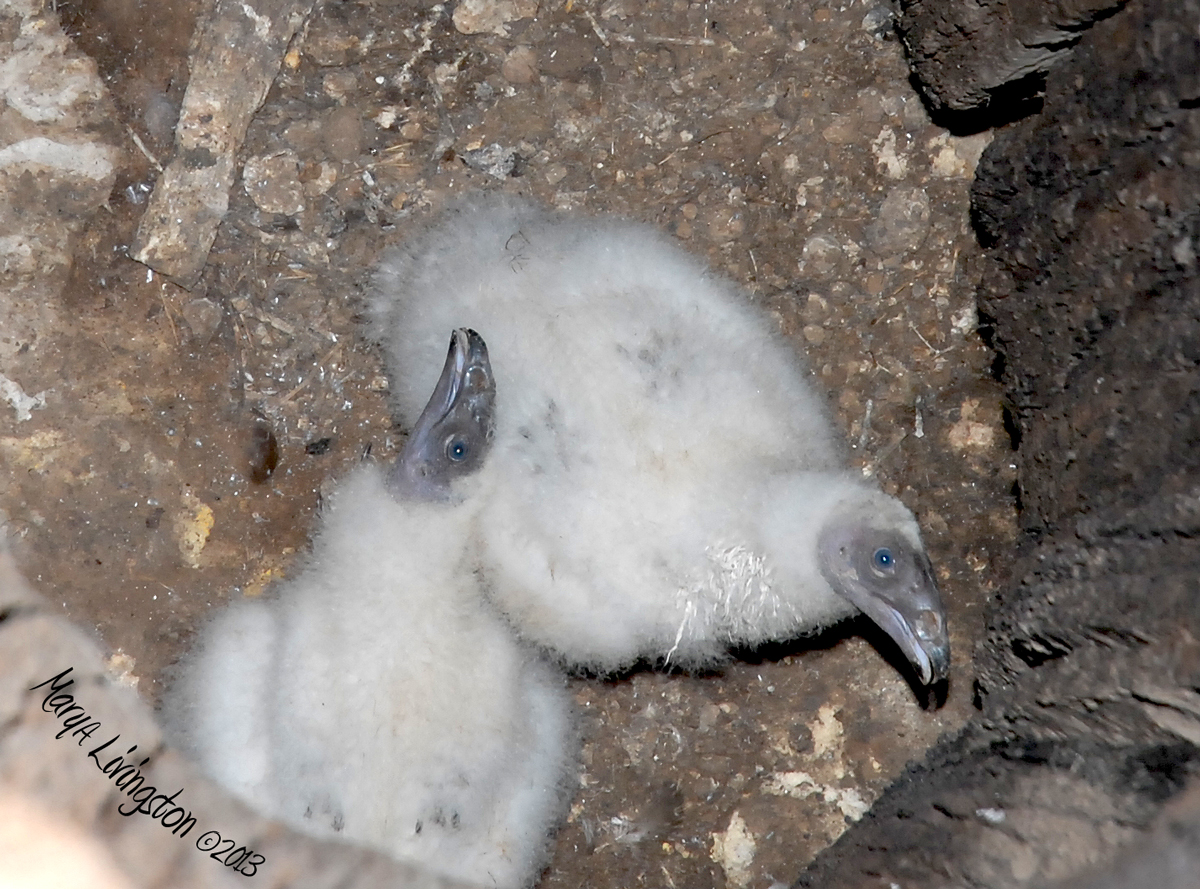
Vulture chicks

Turkey Vulture Chicks at 5 weeks – © Maryᴀ Livingston

You may also like:
Birds of a Different Feather
Eerie Sounds from the Vulture Nest
Vulture Chicks – 3 weeks
Peek-a-boo, We see two…
Turkey Vulture Shift Change
Turkey Vultures Hatched!
Turkey Vulture Rendezvous
Spying on the Vulture Nest
Bigger on the Inside
UGLY Birds Gather
Vulture Turf Wars
Across the Threshold
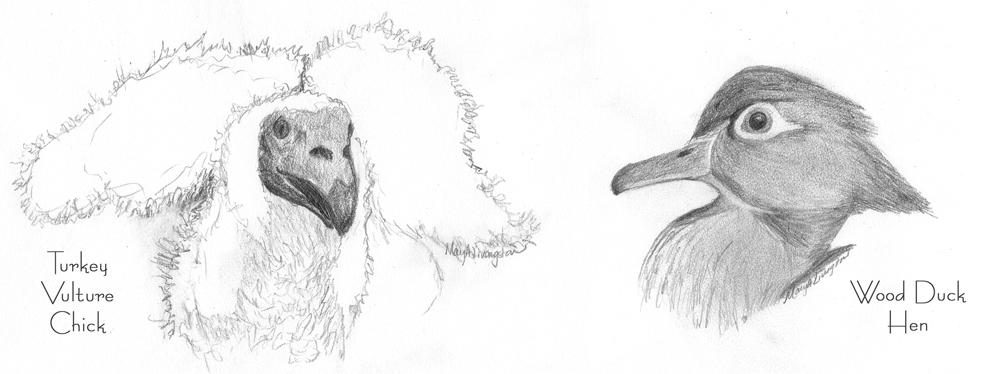
Vulture Chick & Wood Duck – birds of a different feather

Vulture Chick and Wood Duck Hen in pencil.

– Vulture Chick and Wood Duck Hen in pencil.

“Z” at Zeebra Designs put out a call for Timeout for Art. Here is a pencil sketch inspired by a recent visitor to the turkey vulture nest.
What happens when a wood duck invades a vulture nest?
Video tomorrow.

Eerie Sounds from the Vulture Chicks

It’s Tuesday, time for a Turkey Vulture (TV) update.
The turkey vulture chicks have grown rapidly their first 4 weeks. They are beginning to get their juvenile plumage. Notice the dark brown, nearly black, feathers showing up in the wings and down their backs.

Capturing pictures of the turkey vulture chicks in this deep nest requires some old school photography techniques. Everything is set manually. I preset the focus, set the aperture, shutter, and flash. Then I hold the camera over the entrance to the nest and take a series of shots. I can’t see anything, even if I were to stick my head into the dark deep nest.  After the flash fires the first time, the chicks begin their eerie vocalizations. My friend, Rhythm, over at Reading With Rhythm calls turkey vultures “spooky birds.” The ominous sound made by the chicks, plays into that role perfectly.

Turkey vultures do not have voice boxes. They only grunt and hiss.  The eerie ghostly sound in the video is the sound the turkey vulture chicks make. No chirpy chickies here.

Vulture chick

This little guy was all sprawled out on the nest floor. Must have been a busy day.

Turkey Vulture chicks

The chicks begin hissing a warning…stay away…they hiss.

You may also like:

Vulture Chicks – 3 weeks
Peek-a-boo, We see two…
Turkey Vulture Shift Change
Turkey Vultures Hatched!
Turkey Vulture Rendezvous
Spying on the Vulture Nest
Bigger on the Inside
UGLY Birds Gather
Vulture Turf Wars
Across the Threshold

Vulture Chicks – 3 weeks

The turkey vulture chicks are about 3 weeks old. I was amazed at the lack of odor from the nest cavity opening. Previously, when a parent was in the nest, the smell was malodorous. This time, however, with only the chicks, I was shocked at the lack of stench when capturing this image. Curious because it looks like it should smell bad.

Turkey Vutlure Chicks

Turkey Vulture chicks at about 3 weeks old.

You may also like:
Peek-a-boo, We see two…
Turkey Vulture Shift Change
Turkey Vultures Hatched!
Turkey Vulture Rendezvous
Spying on the Vulture Nest
Bigger on the Inside
UGLY Birds Gather
Vulture Turf Wars
Across the Threshold


More from the Backyard

Image

mallards

With all of this wildlife out my backdoor, it is a wonder I get anything done!

Peek-a-boo, We see two…

Image

Turkey vulture chicks

A close view of the cute little fellas. Can you believe how adorable they are?

A wider shot. These babies will not be able to leave the nest until they can climb the 14 feet to the entrance of the hollow cavity.

A wider shot. These babies will not be able to leave the nest until they can climb the 14 feet to the entrance of the hollow cavity.

Turkey Vulture Shift Change

Video

Deep in the nest cavity, the little white fluff under the breast of the parent is a new turkey vulture chick.

Deep in the nest cavity, the little white fluff under the breast of the parent is a new turkey vulture chick.

What a treat today! I caught video of the parent turkey vultures during their shift change. We don’t have sound from the nest, yet. We are working on getting the sound up.

Vutlure in nest at night

During the day we cannot see into the nest from the camera. At night, we can see deep inside with night vision. Fourteen feet to the bottom.

Turkey Vultures Hatched!

Turkey Vulture Chicks Hatch

Est. hatch date range: sometime April 15-17. Empty shell pieces indicates hatched chicks.

Happy Hatching!!
Est. hatch date range: sometime April 15-17. Empty shell pieces indicates hatched chicks. the parent is hovering over chick(s). Sorry no images of the chicks, just the empty shells for now. But here is something for you –

Save 15% on No Place for UGLY Birds!
Edit your cart with discount code: 15hatch
Happy Hatching discount code good through 4-22-13.

No Place for UGLY Birds

No Place for UGLY Birds

Wolf at the Door

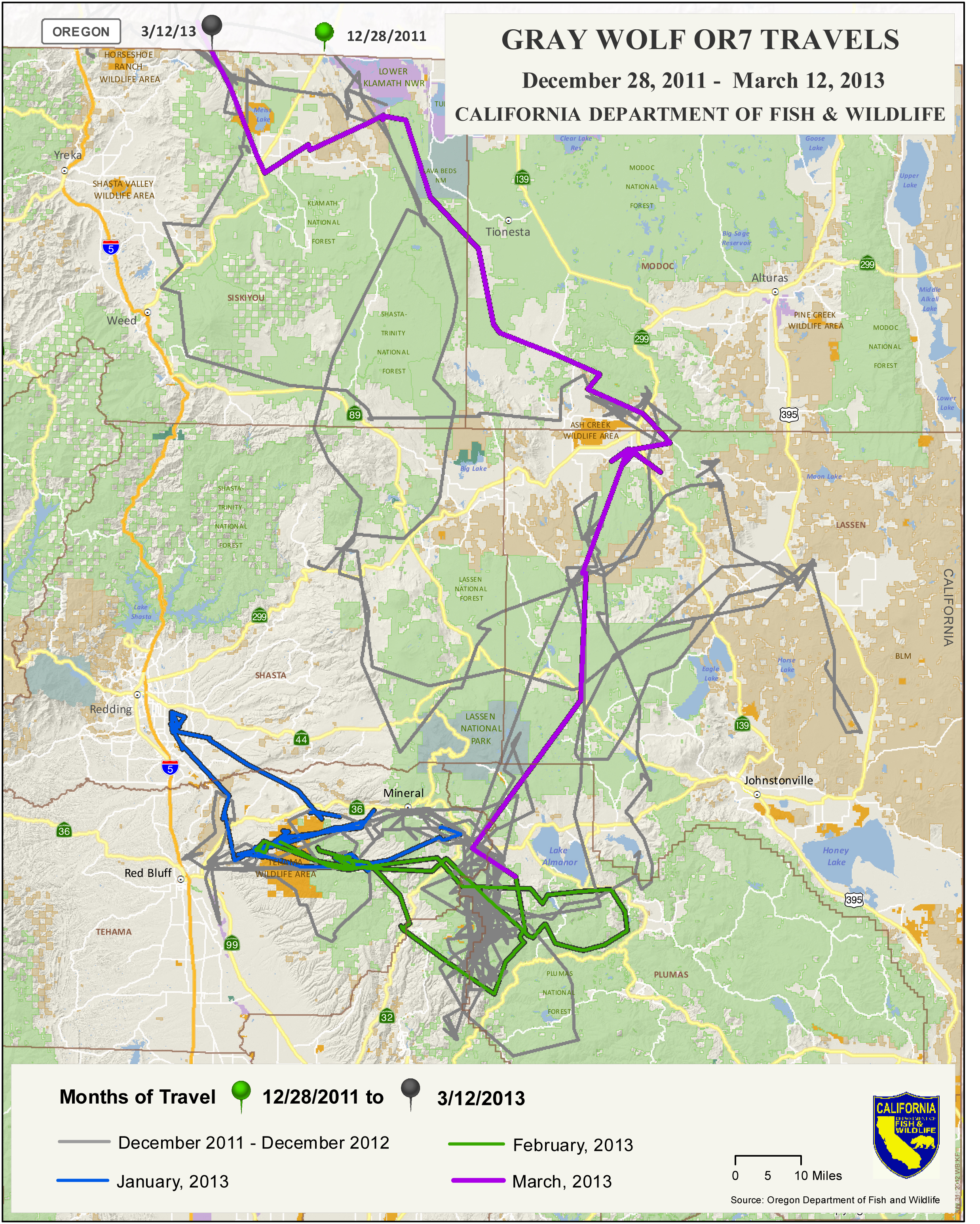
Tim shared a map with me this morning while we were having our morning coffee. It is a map of OR7’s travels in Northern California. OR7 is the first known wild gray wolf to enter the state since 1924.

Map of OR7's path in California

Map of OR7’s path in California. Downloaded from CDFW. (formerly DFG)

What is so special about this map? Take a closer look…

Blue path - the wolf. Red dot - Our House

Blue path – the wolf.
Red dot – Our House

The red dot is our house. So I checked OR7s California Blog (yes, there is a blog). The timing of his visit to our neck of the woods was January 7 – 8. They don’t provide real time tracking, we all find out after the fact.

Odd that this lone wolf would venture into populated areas.

Perhaps he has traveled into more populated areas looking for a mate. Since he is the first wolf to enter the state, there are no wild females for him to service. The domesticated bitches probably smell just as good when they are in season.

Something to think about. It is not the “Golden-ORe” I would be looking for. 😉

OR7 has since returned to Oregon. Here is more on OR7
http://www.dfg.ca.gov/wildlife/nongame/wolf/

Bigger on the Inside

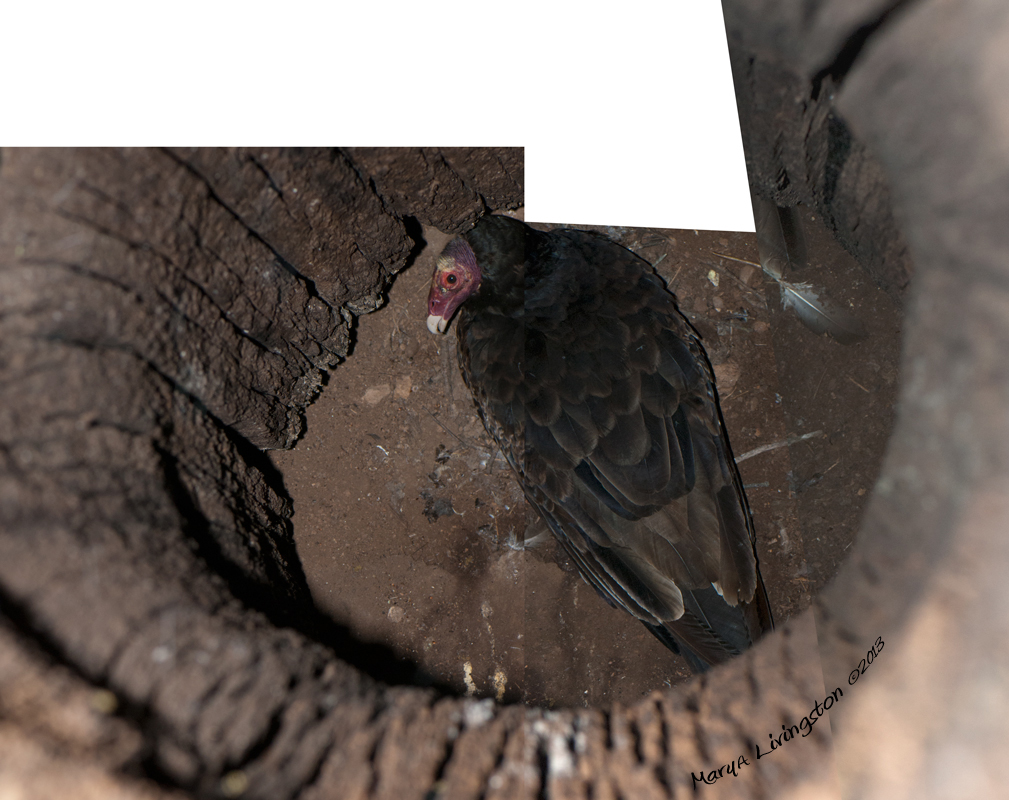
Brooding turkey vulture in a 14 ft. hollow of a blue oak tree.

Brooding turkey vulture in a 14 ft. hollow of a blue oak tree. This image is a composite of 3 photos.

Peering down the vulture hole, I am amazed at the ability of the turkey vultures to climb in and out of this nesting location. It is fourteen feet from the opening to the base.

It is unclear whether this brooding vulture is on eggs or new chicks. It should be nearing time for the eggs to hatch, if my calculations are correct. On March 5th & 6th , I recorded the pair breeding at the entrance and the female retreating inside the nesting cavity. I am making an educated guess that this was around the time of laying their eggs. Most sources site 34-40 days incubation. Sources are vague on the day count, but in all fairness who counts days for vultures hatching? The UStream Missouri turkey vultures incubated for 34 days in 2012.

Both parents incubate the eggs and share in raising the chicks. I do not know when incubation began for this pair.

So for now, all I know is…

Tukey-vultures Are Residing Down Inside Shelter.
TARDIS…bigger in the inside. 😉

UGLY Birds Gather

UGLY Birds to Appear

Vulture Turf Wars

They’re Back!

Across the Threshold

Wings of Autumn